Skip to content

Your first welder: MIG, TIG or stick?

The process decides more than the machine. MIG is the easiest to learn and needs clean metal and still air; stick works outdoors on rust and is the cheapest to own; TIG is the most controllable and the slowest to learn. Pick the process for your work, then pick the machine.

The process decides more than the machine. MIG is the easiest to learn and needs clean metal and still air; stick works outdoors on rust and is the cheapest to own; TIG is the most controllable and the slowest to learn. Pick the process for your work, then pick the machine.

What we recommend, and why

Questions people actually ask

Can one machine do all three?

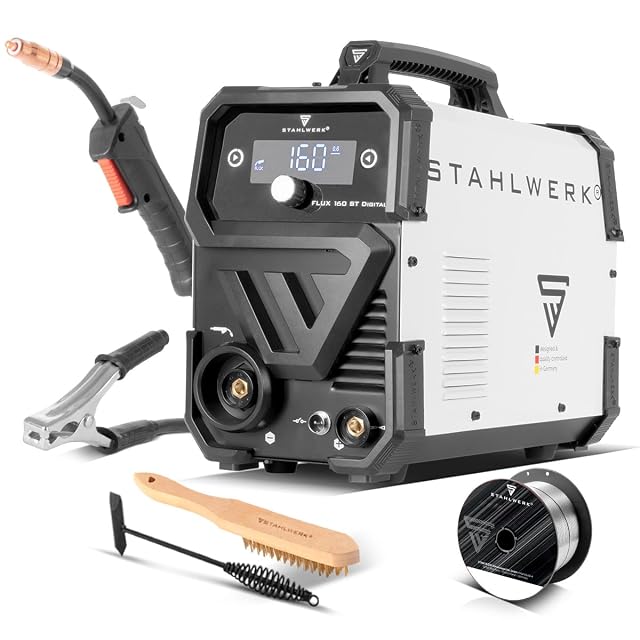
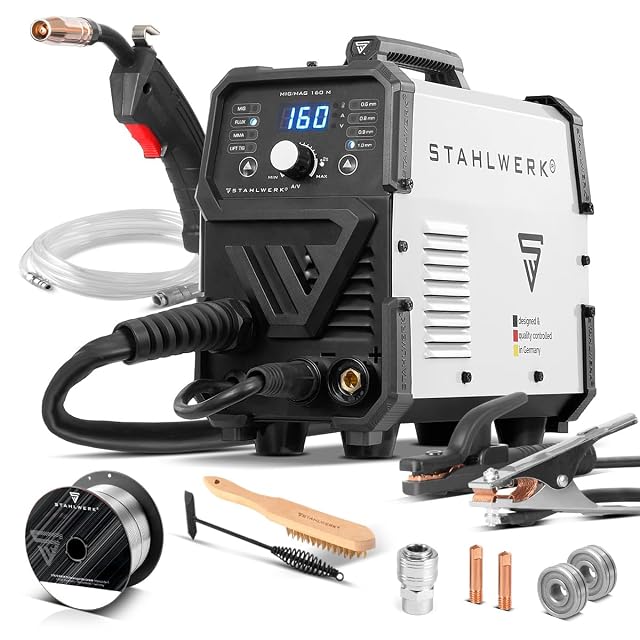
Several here claim to, and the claim is broadly true with caveats. A 4-in-1 inverter will run MIG, flux-cored, stick and lift TIG — but its TIG mode scratch-starts rather than using high frequency, which contaminates the tungsten and makes fine work harder. As a way to try all three cheaply it is excellent; as a substitute for a dedicated TIG machine it is not.

Which is safest for a beginner?

Stick, marginally — there is no gas cylinder, no wire feed to jam, and the process tolerates poor preparation. What it does not tolerate is thin metal, which is where beginners often start. MIG on 2 mm steel with a synergic machine is the gentlest introduction to a good-looking weld.

Prices quoted in these summaries are dated readings. The live price is shown next to each product.

The tool we use ourselves

Chosen your machine? Now buy it at the right price.

Welders and plasma cutters swing by a hundred euros or more across the year, and the biggest "discounts" often land at prices the same model sold for six weeks earlier. UniverTrack tracks the real price history across retailers, spots fake reductions, and alerts you when it is genuinely the moment to buy.

Real price historyBuy-now alertsAI buying assistant
Try free for 14 days →
No commitment · Cancel in one click · 5 languages